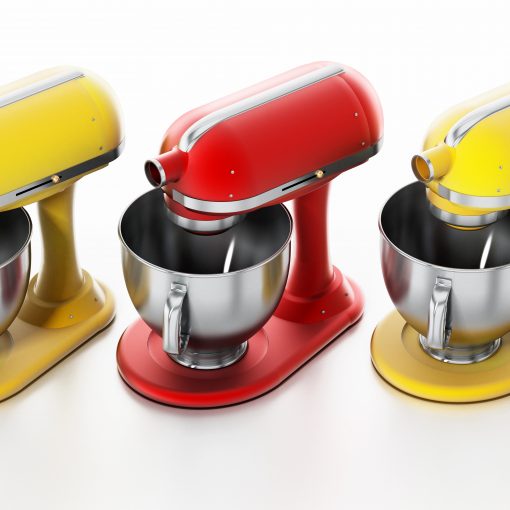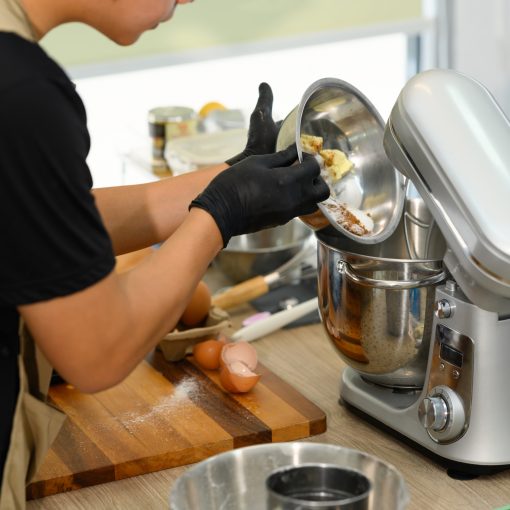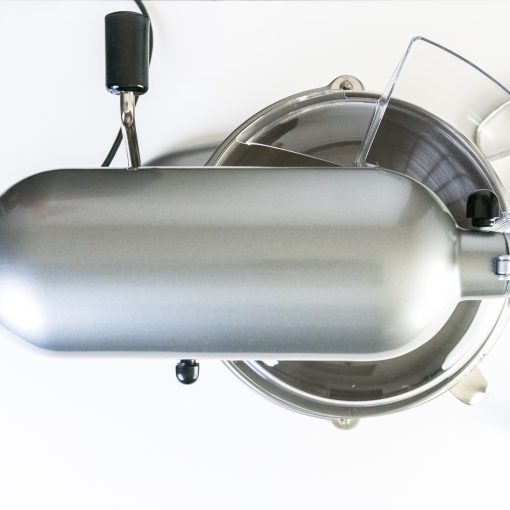
Your mixer sounds fine. The motor runs smoothly, and nothing seems broken. However, your bread keeps coming out under-kneaded, and your whipped cream never quite reaches stiff peaks anymore. Mixer Repair Services Calgary sees this exact frustration constantly, and the mixer itself is rarely the actual problem.
This post explains how worn attachments silently sabotage your results, and why blaming the motor often misses the real issue entirely.
Why Attachments Wear Out Faster Than the Mixer Itself
Attachments take the brunt of daily mechanical stress. Specifically, the paddle, whisk, and dough hook all flex, scrape, and rotate through dense ingredients repeatedly. Therefore, they wear down long before the motor or gearbox shows any real strain.
Coating on paddles and beaters thins gradually with each use. Consequently, the metal underneath becomes exposed, and the attachment loses its original shape slightly. This small change affects how it interacts with your bowl.
In addition, dough hooks twist and flex constantly under heavy kneading. Over time, this repeated stress can bend the hook just enough to throw off its clearance from the bowl wall, even if the bend isn’t visible.
How Worn Attachments Disguise Themselves as Motor Problems
Many customers call assuming their KitchenAid mixer needs serious internal repair. However, a simple inspection often reveals the attachment, not the motor, is causing uneven mixing or weak whipping results.
Specifically, a worn whisk can’t incorporate air properly into egg whites or cream. Therefore, your whipped results stay flat and disappointing, even though the motor spins at full strength the entire time.
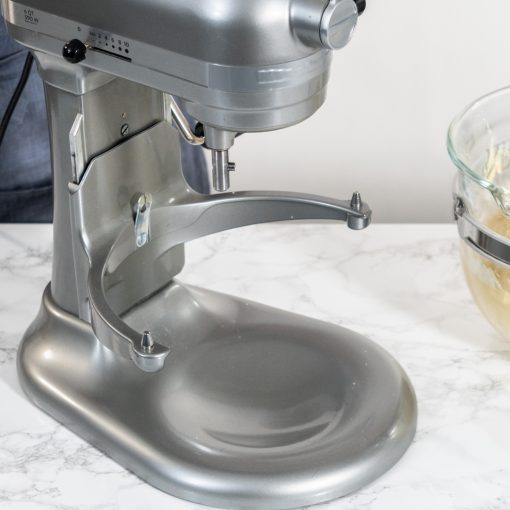
Similarly, a bent or worn paddle leaves unmixed pockets of batter along the bowl’s edges. This happens because the paddle no longer maintains consistent clearance from the bowl wall as it rotates.
Signs Your Attachment Is the Real Problem
Look closely at your paddle or beater for visible wear patterns. For example, thinning coating, small dents, or uneven edges all signal that the attachment has degraded from normal use.
Check your dough hook for any visible bend or twist. Therefore, place it on a flat surface and look for any obvious curve that wasn’t there originally.
Pay attention to where unmixed ingredients consistently collect. If the same spot in your bowl always stays under-mixed, this points directly to attachment clearance issues rather than motor performance.
Why This Matters More During Heavy Baking Seasons
Summer entertaining often means more baking and prep work than usual. Consequently, attachments that were already slightly worn face even more frequent stress, accelerating the problem significantly.
Furthermore, denser summer recipes, like fruit-studded breads or thick batters, demand more from your attachments than light, everyday mixing. Therefore, existing wear becomes far more noticeable during these busier cooking stretches.
If you’ve noticed declining results lately, now is a good time to address attachment wear before it affects an important summer baking project.
What Professional Evaluation Actually Checks
A proper KitchenAid mixer repair evaluation examines both the attachment and the internal mechanism together. Therefore, technicians can determine exactly where the real problem originates before recommending any repair.
This distinction matters significantly for your wallet too. Replacing a worn attachment costs far less than unnecessary internal repairs performed on a mixer that was actually working correctly all along.
Mixer Repair Services Calgary offers a professional mixer repair service that includes this kind of thorough diagnostic check. We never assume the motor is at fault without confirming it first.
Beyond KitchenAid: Other Brands Face Similar Wear
This attachment wear pattern isn’t unique to one brand. For example, Smeg mixer repair calls often reveal the exact same underlying cause, despite Smeg’s different attachment design.
Similarly, Hamilton Beach mixer repair requests sometimes trace back to simple attachment fatigue rather than any deeper mechanical fault. Therefore, this issue spans across nearly every stand mixer brand we service.
If your results have quietly declined over recent months, don’t assume the worst about your mixer’s internals just yet.
Getting Back to Reliable Results
Worn attachments are an easy fix once properly identified, and they’re far less expensive than people often assume. Therefore, don’t let a small, overlooked issue convince you that your entire mixer needs replacing.
If you need help quickly, our same day mixer repair option gets your evaluation done fast, often before your next baking project. Call before noon for the best chance at same-day service.
Mixer Repair Services Calgary checks attachments first, motors second, so you’re never paying for repairs you don’t actually need.
Frequently Asked Questions
How do I know if my attachment is worn instead of broken?
Worn attachments typically show gradual coating loss, slight bending, or uneven surfaces rather than complete failure. Inconsistent mixing results without unusual noises usually point toward wear, not breakage.
Can a worn dough hook really affect bread kneading that much?
Yes. A bent or worn hook loses proper clearance from the bowl, leaving pockets of under-kneaded dough. This directly affects bread texture and rise, even with a fully functional motor.
Should I replace attachments myself or have them inspected professionally?
Professional inspection confirms whether the attachment alone is the issue, or if related internal wear exists too. This prevents unnecessary attachment purchases when a deeper problem actually exists.
How often should I replace mixer attachments under normal use?
This varies by usage frequency, but most home bakers should inspect attachments every one to two years. Heavy or commercial use often requires more frequent replacement cycles.
Does attachment wear affect resale value if I sell my mixer?
Yes, somewhat. Visible wear on attachments can suggest heavier overall use to potential buyers, even when the motor itself remains in excellent working condition.