Choosing between a bowl-lift and tilt-head mixer often comes down to personal preference at first. However, once you start asking about long-term reliability, the answer becomes more nuanced. Mixer Repair Services Calgary fields this exact question regularly from both new buyers and current owners.
This post breaks down how each mechanism holds up over time, and what actually drives repair frequency for both designs.
Understanding the Two Mechanisms
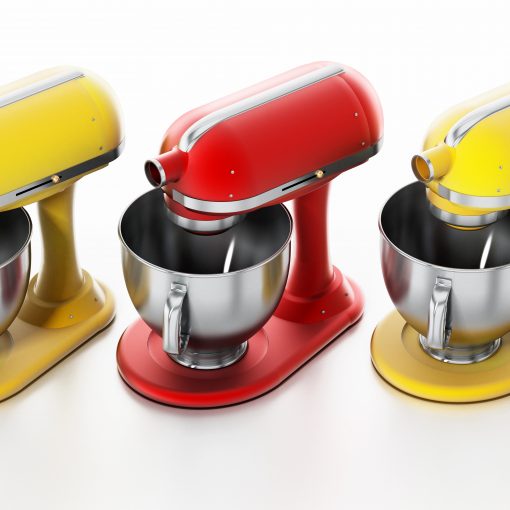
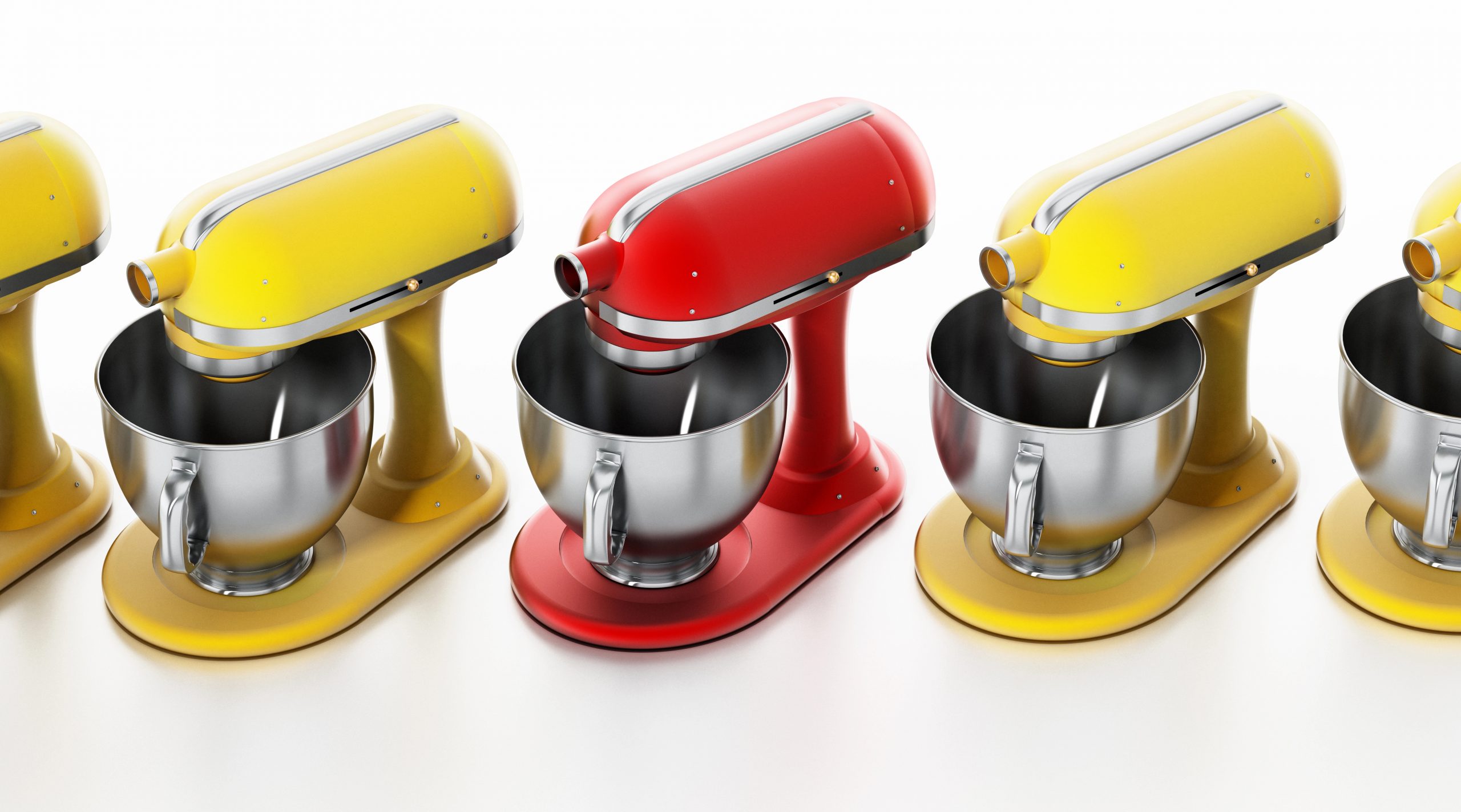
Tilt-head mixers raise the motor head upward, away from the bowl, for easy access and attachment changes. Specifically, this design relies on a hinge mechanism connecting the head to the base unit.
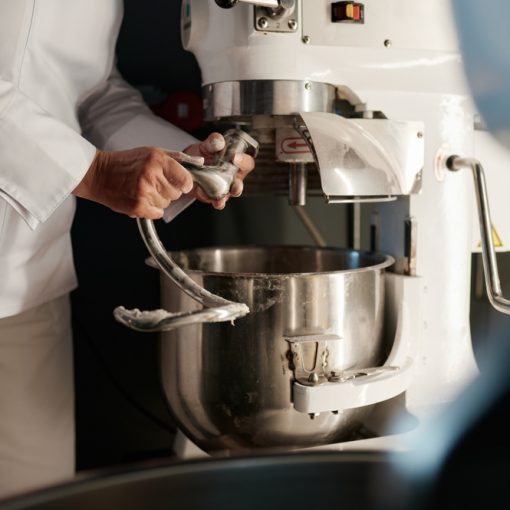
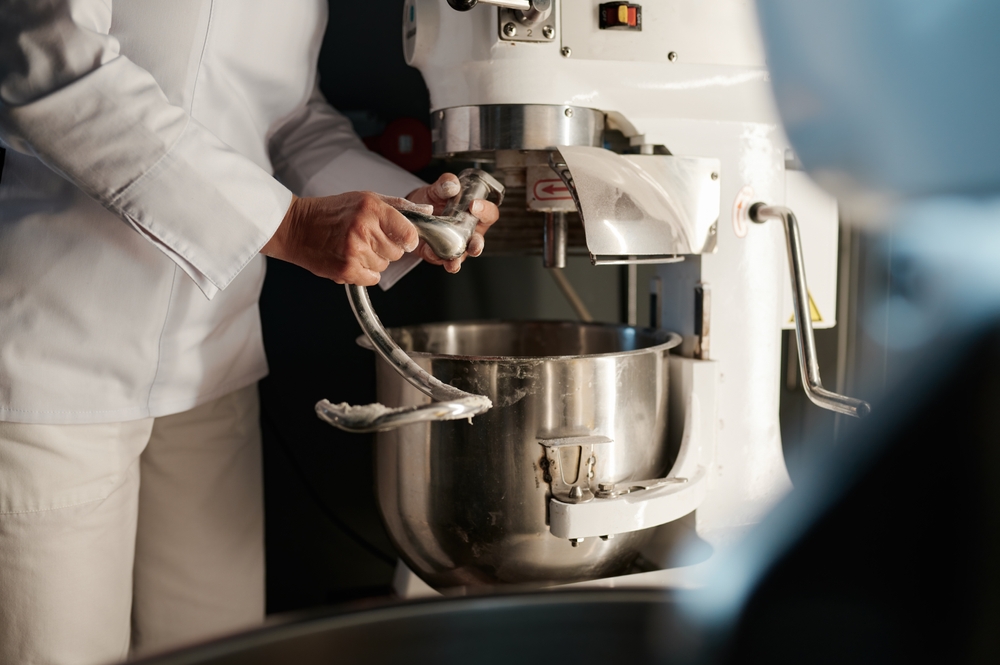
Bowl-lift mixers, in contrast, keep the head stationary while the bowl itself raises and lowers using a lever mechanism. Therefore, the bowl moves rather than the motor housing during loading and unloading.
Each design distributes mechanical stress differently throughout the mixer’s structure. Consequently, this difference directly affects which components experience the most wear over years of regular use.
Where Tilt-Head Mixers Tend to Develop Issues
The hinge mechanism takes repeated stress with every tilt motion. Specifically, this hinge can loosen over years of use, leading to head wobble or instability during heavy mixing tasks.
Furthermore, tilt-head designs sometimes struggle more with very dense, heavy doughs. The cantilevered weight distribution puts additional strain on the motor mount during demanding kneading sessions.
However, tilt-head mixers generally see fewer issues with bowl-related mechanisms, since there’s no lifting lever or gear system to maintain in the first place.
Where Bowl-Lift Mixers Tend to Develop Issues
The lifting lever and associated gears experience consistent wear with every use cycle. Specifically, this mechanism can develop stiffness or grinding sensations as components gradually wear down internally.
Additionally, bowl-lift mixers sometimes develop alignment issues between the bowl and beater over time. Therefore, you might notice the beater scraping unevenly against the bowl’s interior surface.
That said, bowl-lift designs typically handle heavy, dense mixing tasks more confidently. The stable head position distributes weight more evenly during demanding commercial or frequent baking use.
What Actually Determines Long-Term Reliability
Usage intensity matters more than mechanism type in many cases. Specifically, a tilt-head mixer used occasionally for light baking often outlasts a bowl-lift model pushed hard daily in a commercial kitchen.
Maintenance habits play a significant role too. Therefore, regular cleaning and proper attachment care extend the life of either mechanism considerably, regardless of which design you choose.
Brand engineering quality also affects outcomes substantially. A well-built tilt-head model can easily outperform a poorly maintained bowl-lift unit, and the reverse holds true as well.
What We See During Repair Calls
At Mixer Repair Services Calgary, both mechanism types arrive for professional mixer repair with roughly similar frequency. Therefore, neither design clearly dominates our service calls in terms of overall breakdown rates.
However, the specific failure points differ predictably between the two. Hinge wear shows up consistently in tilt-head models, while lever and gear issues appear more often in bowl-lift designs.
This pattern holds true across brands too. For example, KitchenAid mixer repair requests show this exact split, since KitchenAid produces both tilt-head and bowl-lift models within their lineup.
Considering Other Brands and Designs
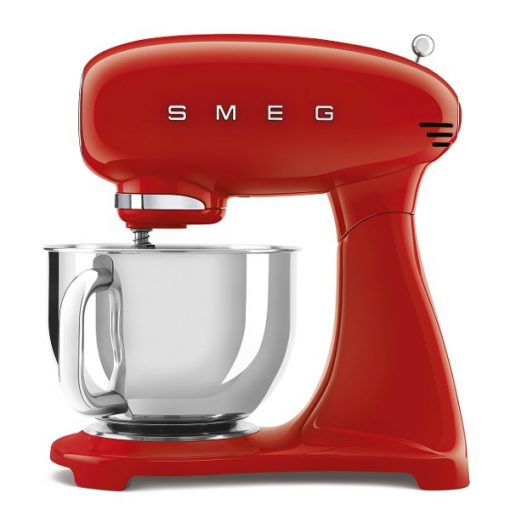
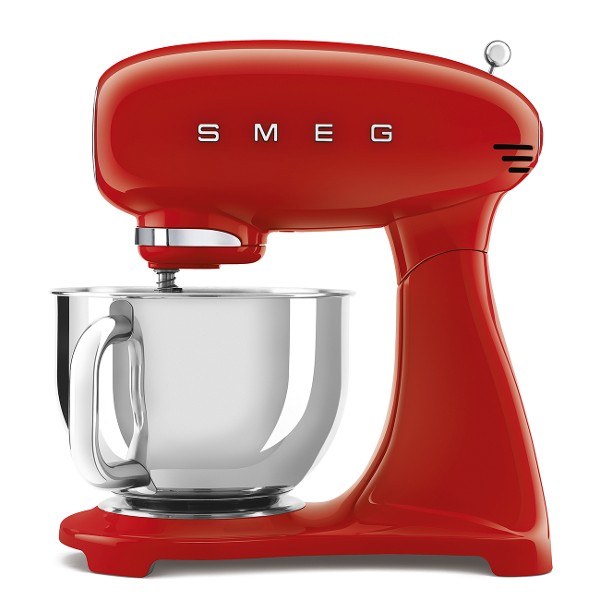
Some brands take different mechanical approaches entirely. For instance, Smeg mixer repair calls often involve their distinct tilt-head design, which carries its own specific wear characteristics worth understanding separately.
Meanwhile, Hamilton Beach mixer repair requests frequently involve simpler, lighter-duty mechanisms overall. Therefore, comparing across brands matters just as much as comparing mechanism types.
Making the Right Choice for Your Kitchen
Neither mechanism wins outright when it comes to long-term reliability. Instead, your specific usage patterns, maintenance habits, and chosen brand matter far more than tilt-head versus bowl-lift alone.
If you’re already noticing unusual sounds or movement from either design, don’t wait for a complete breakdown. Our same day mixer repair service catches developing issues before they become expensive problems.
Mixer Repair Services Calgary services both mechanism types equally well, helping you keep whichever design you’ve chosen running reliably for years.
Frequently Asked Questions
Is a bowl-lift mixer always more durable than a tilt-head?
Not necessarily. Durability depends heavily on usage intensity, maintenance habits, and brand quality, rather than mechanism type alone determining overall long-term reliability.
Which mechanism handles heavy dough better long-term?
Bowl-lift mixers generally distribute weight more evenly during heavy kneading, reducing strain on the motor mount. However, well-built tilt-head models can still perform admirably under similar conditions.
Do tilt-head mixers really develop hinge problems eventually?
Yes, this is common after years of regular use. The hinge experiences repeated stress with every tilt motion, which can eventually lead to wobble or instability.
Are bowl-lift mechanisms more expensive to repair than tilt-head hinges?
Costs vary by specific issue and brand. Generally, lever and gear repairs involve similar complexity to hinge repairs, so pricing tends to stay comparable between mechanism types.
Should mechanism type influence my next mixer purchase?
It’s worth considering alongside your typical usage patterns. Heavy, frequent bakers might prefer bowl-lift stability, while occasional bakers often find tilt-head convenience more practical.