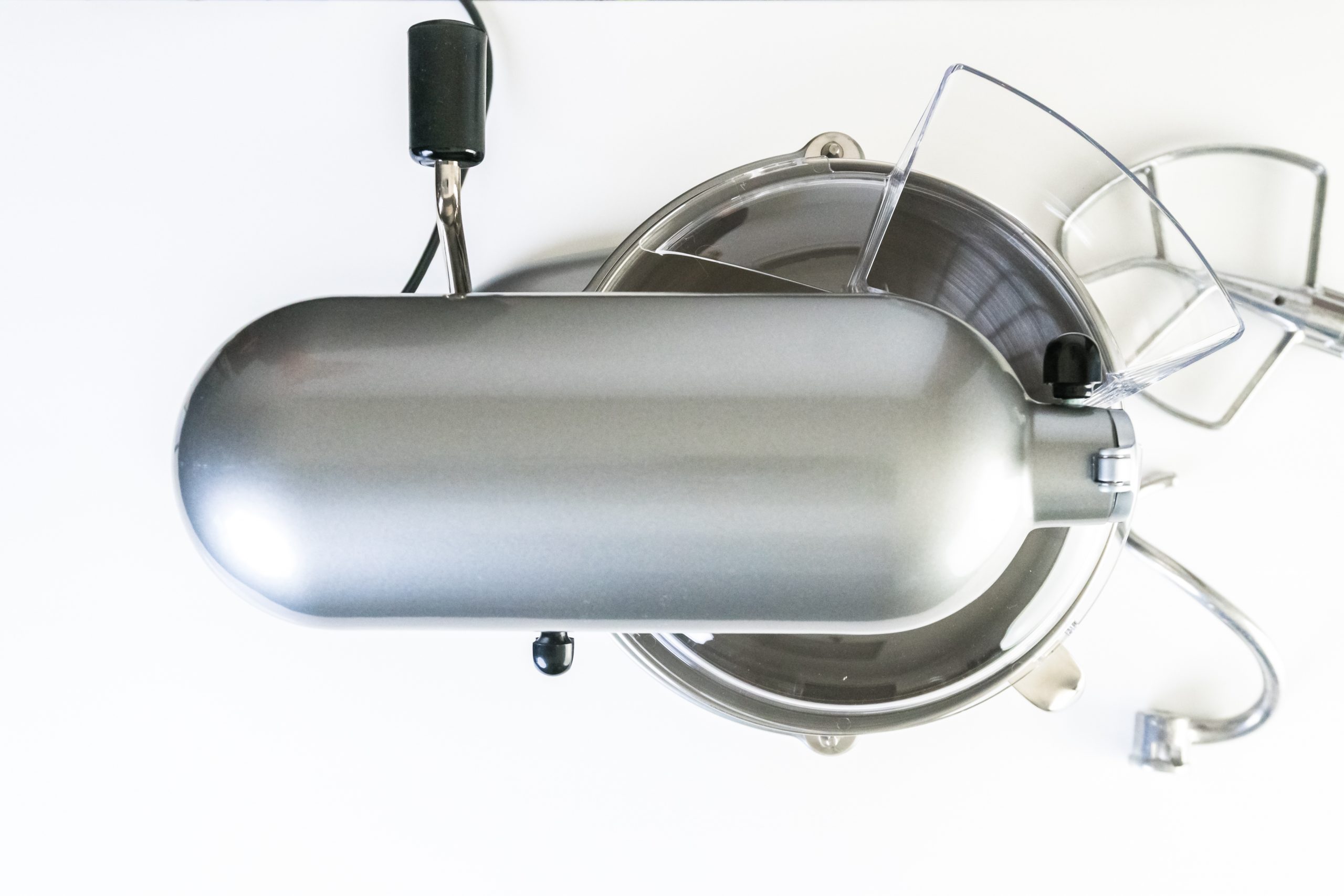
Mixers are workhorses in kitchens and bakeries, but like any machine, they rely on small parts to keep everything running smoothly. Bearings are one of those small parts that make a big difference. When they wear out, the stress does not just stay contained in that single area. Instead, the strain can spread and eventually harm the motor itself. We want to walk you through how this happens, what signs to watch for, and what steps can help reduce long term damage.
Understanding the Role of Bearings
Every mixer has bearings that allow moving parts to spin freely. These components reduce friction and keep the motor from working harder than it should. If bearings are in good shape, the motor delivers power efficiently, and mixing feels smooth. However, once bearings start wearing out, resistance increases. That extra drag means the motor strains during each use. Over time, this constant struggle raises temperatures inside the unit, weakening motor windings and shortening its life span. For reliable operation, the health of the bearings directly affects the health of the motor.
Early Signs of Bearing Wear
Noise is often the first clue. A mixer that once ran quietly may begin making grinding or squealing sounds. Vibration is another warning, and sometimes the bowl or housing rattles during mixing. Burnt smells or excess heat from the unit also suggest the bearings are struggling. We can all miss these signs when busy, but they should not be ignored. Catching them early avoids bigger problems. Timely help, such as same day mixer repair Calgary, can prevent further harm to the machine. Paying attention at this stage keeps repair costs lower and helps preserve motor health.
Why Bearing Wear Hurts the Motor
When bearings drag, the motor has to use extra power to move parts that should glide. This constant overexertion forces the motor to overheat. Heat is the enemy of electrical windings, and once insulation breaks down, the motor loses efficiency. Eventually, the mixer may trip breakers, smell of burning, or stop working altogether. The bearings may seem minor, but they act like guardians of the motor. When they fail, the motor becomes exposed to heavy stress. That is why simple neglect of bearings can spiral into full motor replacement.
Preventing Motor Damage with Routine Care
We can keep mixers running longer by checking and cleaning them on a schedule. Lubricating moving parts where possible reduces friction, while clearing food debris stops particles from entering the bearing housing. Listening during operation and noting changes helps us respond quickly. In other words, staying alert to small shifts in performance makes a big difference. Professional support from mixer repair services Calgary ensures worn parts are replaced before the motor suffers permanent harm. Routine care is not complicated but requires attention and consistency.
Repair vs Replacement Decisions
When bearings wear, the question arises: fix them or replace the whole motor. Repair is usually more cost effective, especially when done early. Replacing bearings often restores smooth function without risking the motor. On the other hand, if damage has already spread, replacing the motor may be unavoidable. Deciding between the two depends on timing. Acting quickly means simple bearing replacement. Waiting too long often means complete motor replacement. Therefore, making a call early protects both the wallet and the machine’s reliability.
Practical Tips for Owners
Firstly, always unplug the mixer before inspection or cleaning. Secondly, monitor the sound and vibration levels during use. Thirdly, avoid overloading the machine with dough or batter heavier than it was designed for, as this strains both bearings and motor. In addition, keep mixers on stable surfaces to reduce extra vibration. Finally, schedule regular checks with a trusted service team to confirm that parts remain in working order. If you notice warning signs and want guidance, reaching out through contact us is a safe way to prevent further problems and get expert help.
FAQ
What happens if I keep using a mixer with bad bearings?
The motor will strain harder, heat up more, and eventually burn out. Repair costs rise quickly once the motor is damaged.
Can I replace mixer bearings myself?
It is possible, but specialized tools and knowledge are often required. Incorrect installation can cause even faster wear.
How often should bearings be checked?
A yearly inspection is a safe rule for frequent users, while heavy commercial use may need more frequent checks.
Why does my mixer smell like burning plastic?
This usually indicates overheating. Worn bearings often cause the motor to overwork, creating that burning smell.
Is it worth repairing an older mixer?
If the body and motor are still solid, replacing bearings can add years of use. In many cases, repair is more affordable than replacement.