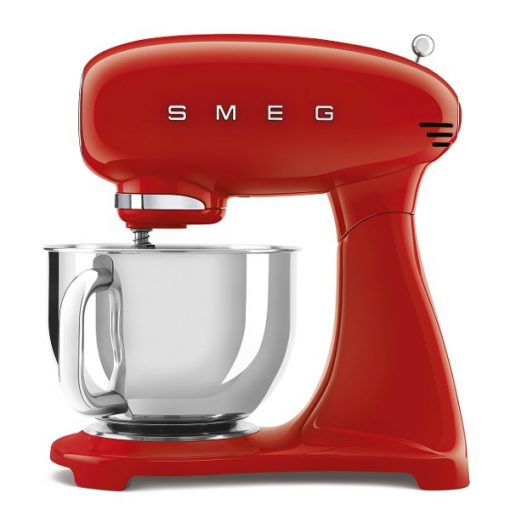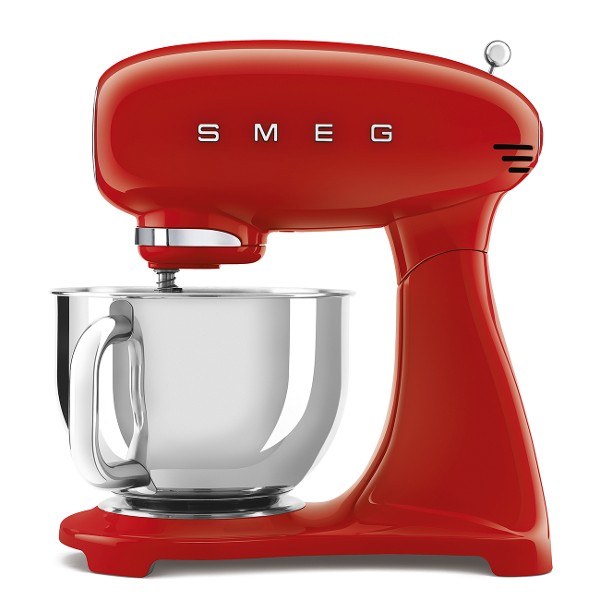
A stand mixer is built to handle daily mixing, kneading, and whipping without hesitation. However, when grinding noises begin to appear, the sound can quickly turn a reliable kitchen tool into a source of stress. At Mixer Repair Services, we often see customers wait too long before addressing unusual sounds, which can lead to more serious internal damage.
Grinding is not just an inconvenience. In many cases, it is an early warning sign that internal components are wearing down or misaligned. Understanding what causes these noises can help prevent expensive repairs and keep your appliance working smoothly for years.
Worn Internal Gears and Transmission Problems
One of the most common causes of grinding noise in a stand mixer is worn gears. Inside the housing, a system of metal and nylon gears transfers power from the motor to the attachments. Over time, heavy dough mixing or constant use can cause these gears to wear down or chip.
When that happens, the gears may no longer mesh smoothly. Instead of turning quietly, they scrape against each other. This scraping produces a grinding or rattling sound, especially under load. If ignored, damaged gears can break completely and stop the mixer from turning at all.
Through our mixer repair service, the unit is carefully opened, inspected, and tested to confirm the condition of the transmission system. Replacing worn gears early prevents further motor strain and restores proper operation.
Dry or Contaminated Grease Inside the Gearbox
Another common issue involves the grease inside the gearbox. Stand mixers rely on food-grade grease to reduce friction between moving parts. Over time, this grease can dry out, separate, or become contaminated with metal particles from worn components.
When lubrication breaks down, friction increases. As a result, you may hear grinding, squealing, or rough mechanical noises. The mixer might also feel less powerful or struggle when mixing thick dough.
Professional servicing involves cleaning out old grease, checking for internal wear, and applying fresh lubricant. At Mixer Repair Services, detailed inspections help ensure that lubrication issues do not turn into full gear failures. Regular maintenance significantly extends the life of the appliance.
Motor Strain and Bearing Wear
Grinding sounds can also come from worn motor bearings. Bearings allow the motor shaft to spin smoothly at high speed. If they begin to wear out, the rotation becomes uneven and noisy.
You may notice the mixer sounds louder at certain speeds. In some cases, the noise becomes more intense when switching from low to high speed. That change in sound often indicates increased friction inside the motor assembly.
Our professional mixer repair service includes motor testing and bearing evaluation. Addressing bearing wear early prevents overheating and protects the electrical components from long-term stress.
Overloading the Mixer With Heavy Dough
Grinding is not always caused by broken parts. Sometimes, the issue results from overloading the mixer beyond its design limits. Mixing very stiff bread dough on high speed can strain gears and create harsh mechanical sounds.
When overloaded, internal parts experience extra pressure. That pressure increases heat and friction, which can accelerate wear. Even high-quality models can develop internal damage if used improperly over time.
If the mixer suddenly began grinding after a heavy mixing session, internal inspection is recommended. Our same day mixer repair Calgary option allows quick evaluation so small problems do not turn into major repairs.
Loose Attachments or Misaligned Components
Sometimes the sound is not coming from deep inside the gearbox. Loose planetary assemblies, worn attachment hubs, or misaligned shafts can also create grinding or knocking noises.
If the attachment wobbles while spinning, internal alignment may be compromised. Continued use in this condition can wear down surrounding components and damage the drive shaft.
At Mixer Repair Services, diagnostic testing ensures that the source of the noise is accurately identified. Instead of guessing, each component is examined to confirm whether the issue is mechanical wear, alignment problems, or internal transmission damage.
KitchenAid Models and Common Noise Complaints
Certain models, including popular tilt-head and bowl-lift designs, may develop grinding noises after years of regular use. Nylon sacrificial gears are designed to fail first in order to protect the motor. When that gear begins to wear down, grinding is often the first sign.
Our KitchenAid mixer repair Calgary solutions focus specifically on these common transmission and gear issues. Replacing sacrificial gears early protects more expensive components and keeps the motor functioning correctly.
Ignoring grinding noises can result in complete power loss, motor burnout, or stripped gear assemblies. Quick inspection is always more cost-effective than waiting for total failure.
When to Stop Using the Mixer
If the grinding noise becomes loud, constant, or accompanied by burning smells, continued use should stop immediately. Running the appliance while internal components are damaged can cause secondary failures.
Visible metal shavings in grease, jerky attachment movement, or sudden speed fluctuations are all signs that professional service is needed. Mixer Repair Services provides thorough diagnostics and practical solutions designed to restore safe operation.
You can learn more about available repair options by visiting our main page at Mixer Repair Services. Early intervention helps preserve your investment and avoid unnecessary replacement costs.
FAQs
Why does my mixer make a grinding noise only when mixing dough?
Heavy dough creates more resistance inside the gearbox. If gears are worn or lubrication is insufficient, the added load makes grinding sounds more noticeable during kneading than during light mixing tasks.
Is it safe to keep using a mixer that makes grinding sounds?
It is not recommended. Continued use can worsen internal damage and lead to complete gear or motor failure. Early inspection prevents more expensive repairs later.
How long does it take to fix worn mixer gears?
Most gear replacements can be completed within a short timeframe once the issue is confirmed. Availability of parts and overall condition determine exact repair time.
Can grinding noises be fixed without replacing the whole mixer?
Yes. In most cases, specific internal components such as gears, bearings, or grease can be replaced. Full replacement is rarely necessary when repairs are performed promptly.
How can I prevent grinding problems in the future?
Avoid overloading the mixer, use recommended speed settings for dough, and schedule periodic maintenance. Proper lubrication and timely inspection help extend the appliance’s lifespan.