If your mixer struggles under heavy loads, you are not alone. This issue shows up most when mixing thick dough or dense batter. At Mixer Repair Services, we see this problem often in both home and commercial machines. Therefore, understanding why your mixer struggles under heavy loads helps you prevent damage and restore full performance.
What Happens Inside the Mixer Under Heavy Load
When you mix light ingredients, the motor runs smoothly. However, heavy loads change everything inside the machine. Thick dough creates resistance, and the motor must work harder to turn attachments.
As a result, internal parts like gears, belts, and shafts face extra pressure. Over time, this stress weakens components. The mixer may still run, but it loses efficiency when pushed.
In many cases, users assume the mixer is strong because it still spins. However, the real issue appears only when the load increases. That is when hidden wear becomes obvious.
Worn Gears Are the Most Common Cause
Gears transfer power from the motor to the mixing head. Therefore, they play a critical role in handling heavy loads. When gears wear down, they cannot grip properly.
As a result, the mixer may sound normal but fail to deliver real power. You might notice slipping, uneven mixing, or slow rotation. These signs often point to internal gear wear.
In such cases, a proper inspection is necessary. A professional solution like mixer repair services ensures worn parts get replaced correctly. This step restores performance and prevents further damage.
Motor Strain Builds Over Time
The motor handles the main workload. However, it does not fail instantly. Instead, it weakens gradually with repeated heavy use.
For example, frequent dough mixing without breaks can overheat the motor. After that, internal components begin to degrade. The mixer may still run, but it lacks strength under pressure.
Most importantly, motor strain often goes unnoticed during light tasks. That is why many users feel confused when the machine suddenly struggles with heavier mixtures.
Improper Lubrication Slows Everything Down
Lubrication keeps internal parts moving smoothly. Without it, friction increases quickly. As a result, the mixer works harder even for simple tasks.
When heavy loads are added, the lack of lubrication becomes a serious issue. The machine may produce noise, heat, or resistance. These are clear warning signs.
Regular maintenance prevents this problem. In other words, keeping internal parts properly lubricated extends the life of your mixer and improves performance under load.
Different Brands React Differently to Load Stress
Not all mixers handle heavy loads the same way. Some models are designed for frequent dough mixing, while others are built for lighter tasks.
For example, users of Ankarsrum mixer repair Calgary often deal with roller and bowl resistance issues rather than gear slipping. These mixers are powerful, but they require proper adjustment.
On the other hand, KitchenAid mixer repair Calgary cases often involve worn gears or motor fatigue. These mixers are popular, but heavy use can expose their limits.
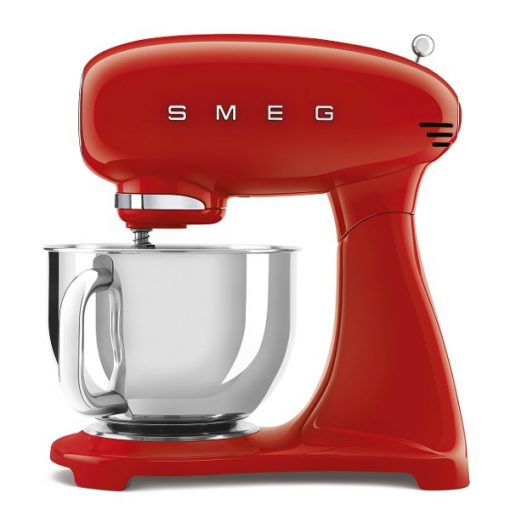
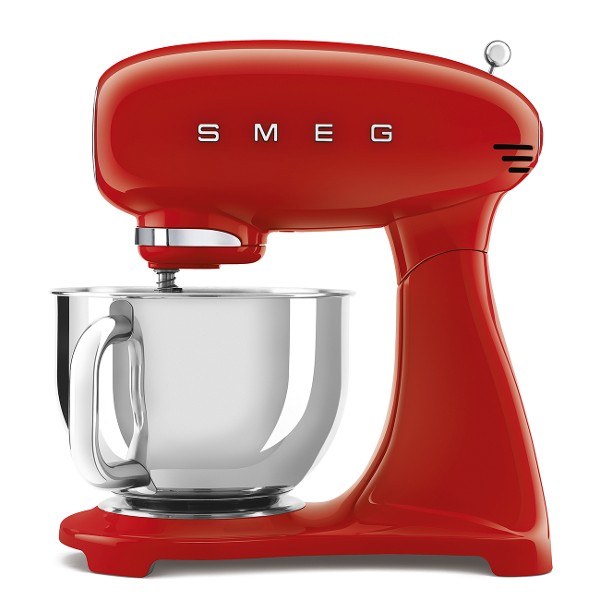
Similarly, SMEG mixer repair Calgary jobs usually relate to torque loss and internal resistance. These machines look strong, but internal wear affects their real performance.
Overloading the Bowl Creates Hidden Damage
Every mixer has a capacity limit. However, many users exceed it without realizing the consequences. Overloading forces the motor and gears to work beyond their design limits.
As a result, parts begin to wear faster. The damage may not show immediately. However, over time, the mixer struggles under heavy loads even within normal limits.
To clarify, one overload may not break the machine. But repeated stress leads to long-term performance loss. That is why following capacity guidelines is essential.
Loose Components Reduce Power Transfer
Internal alignment matters more than most people think. When parts shift or loosen, power transfer becomes inefficient. The motor still runs, but the output drops.
For instance, a loose gear or worn coupling can reduce torque. As a result, the mixer spins but cannot handle thick mixtures.
This issue often appears after years of use. However, it can also happen due to poor maintenance or minor internal damage.
Why Early Signs Should Not Be Ignored
Many users ignore small warning signs. For example, slight slowing or unusual sounds may seem minor. However, these are early indicators of deeper issues.
Above all, catching the problem early saves time and money. A small repair can prevent major failure. Therefore, regular inspection plays a key role in maintaining performance.
At Mixer Repair Services, we focus on identifying these early signs. This approach helps restore full function before serious damage occurs.
How to Prevent Heavy Load Problems
Preventing issues is always easier than fixing them. Firstly, avoid overloading the mixer beyond its capacity. Secondly, allow the motor to rest during heavy tasks.
In addition, regular maintenance keeps internal parts in good condition. Lubrication, inspection, and proper use all contribute to better performance.
Most importantly, pay attention to changes in behavior. If your mixer struggles under heavy loads, it is time to act. Ignoring the issue will only make it worse.
When Professional Help Becomes Necessary
Some problems require expert attention. If your mixer consistently loses power, internal damage is likely. In such cases, DIY solutions rarely solve the issue.
Instead, a full inspection identifies worn components and hidden faults. Professional repair ensures the machine returns to proper working condition.
You can always start by visiting the main mixer repair Calgary page to explore available services. This step helps you understand your options and take action quickly.
In conclusion, when your mixer struggles under heavy loads, it is usually a sign of internal wear, motor strain, or improper maintenance. Addressing the issue early ensures your mixer performs reliably for years to come.
FAQs
What does it mean when a mixer struggles only with thick dough?
It usually indicates internal wear or motor strain. Light tasks may still work, but heavy loads reveal hidden problems inside the mixer.
Can overloading damage a mixer permanently?
Yes, repeated overloading can wear out gears and strain the motor. Over time, this leads to reduced performance and possible failure.
How often should a mixer be serviced?
Regular inspection once a year is recommended. However, heavy users may need more frequent maintenance to keep the machine in good condition.
Is it safe to keep using a weak mixer?
It is not recommended. Continued use can worsen internal damage and lead to more expensive repairs later.
What is the first sign of a failing mixer under load?
The first sign is usually slower mixing or uneven rotation. You may also hear unusual sounds when working with thick mixtures.